
Free Clinics – The Backbone of Affordable Preventive Healthcare and Why They May Be at Risk
Emma Kate Godin
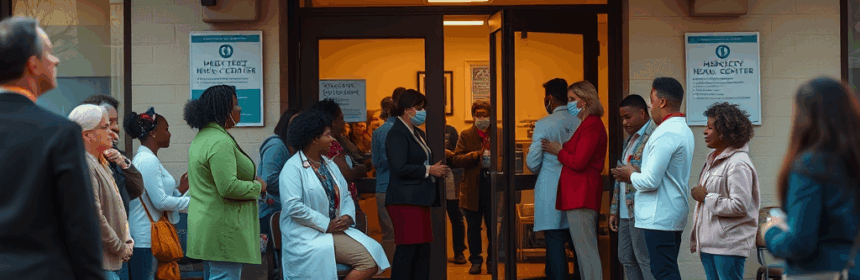
Free and low cost medical clinics across the United States provide essential healthcare in high-demand environments to low-income, underinsured, or uninsured patients. In Athens-Clarke County alone, there are four free clinics available to patients in need of free/low cost medical care, covering a multitude of services. One example is Mercy Health Center, a free clinic in Athens where patients receive primary, dental, and behavioral healthcare, as well as gynecological and other specialized services. Many personal testimonies from patients at Mercy Health Center speak of the life-changing care that the clinic is providing to the community. One patient describes having “a real connection with the doctors there [Mercy Health Center] who have helped me greatly over the years.” She also states that “Mercy has coordinated care for me countless times and it’s not an exaggeration when I say that I wouldn’t be here if it wasn’t for Mercy.”
Unsustainable Rise in Demand for Free Clinics
Many of these clinics, despite the essential care that they are providing communities, are at risk of closure, with current legislative pushes only exacerbating this issue. Recently, the “One Big Beautiful Bill Act” (OBBBA), passed by the House of Representatives in May 2025, is estimated by the Congressional Budget Office (CBO) to cause 7.8 million people to lose Medicaid coverage. This loss of coverage forces patients to search for more affordable healthcare coverage, and while free clinics strive to fill some of this gap, they cannot sustain this effort indefinitely.
Further, according to the National Association of Free and Charitable Clinics (NAFC), free healthcare clinics are “holding the line for America’s most vulnerable population with minimal funding and maximum demand.” NAFC remarks that free clinics in the U.S. had 6 million patient visits in 2024, which was up from 5.7 million in 2023. The elevated demand resulting from Medicaid cuts places a significant financial strain on these clinics, which continue to operate as nonprofits without additional government funding despite the surge in demand. In this way, free clinics face both the threat of declining government reimbursements and a growing number of uninsured patients, contributing to rising patient volumes.
Overall Healthcare Ramifications
Free medical clinics serve many working Americans who lack access to affordable care as well as unemployed and homeless populations. According to the National Association of Free and Charitable Clinics (NAFC), 59% of patients served at clinics are employed, underscoring that the lack of coverage is not limited to the jobless. The essential preventative care that clinics provide decreases expensive and inefficient treatment during emergency room visits by establishing primary care and treating preventable diseases early. This proactive approach alleviates the burden of overcrowding in emergency rooms across the nation. However, the high-quality medical care and preventive services offered to the uninsured and underinsured populations would decline if free clinics were to shut down. In this scenario, patients would likely experience a delay in disease diagnosis due to a lack of preemptive care. Resultingly, this can lead to poor health outcomes along with acute episodes of illness that might require hospital visits and higher healthcare costs.
Athens-Clarke County is no exception to this. With a poverty rate of about 20%, immense strain would be placed on institutions like Piedmont Hospital and St. Mary’s Hospital, as they would be encumbered with providing more primary care through their emergency rooms in addition to their normal workflows.
A Need for Legislative Action
Through the dedicated efforts of volunteer physicians, nurses, students, and other community members, free clinics provide patients with high-quality care without excessive costs. These clinics are committed to offering their patients the best possible care, but the valiant efforts of these volunteers will likely not be able to meet the coming demand. At that point, the responsibility for addressing these clinics’ financial needs falls to those who allocate medical funding. With such a large number of people relying on free/low-cost health clinics for their healthcare needs, continued financial support is essential to the sustained survival of free and charitable clinics across the nation.
Copy editor: Harshil Joshi
Photography source: WordPress AI