
Endometriosis: Recognizing a Widespread Women’s Health Issue
Giana Fernandes
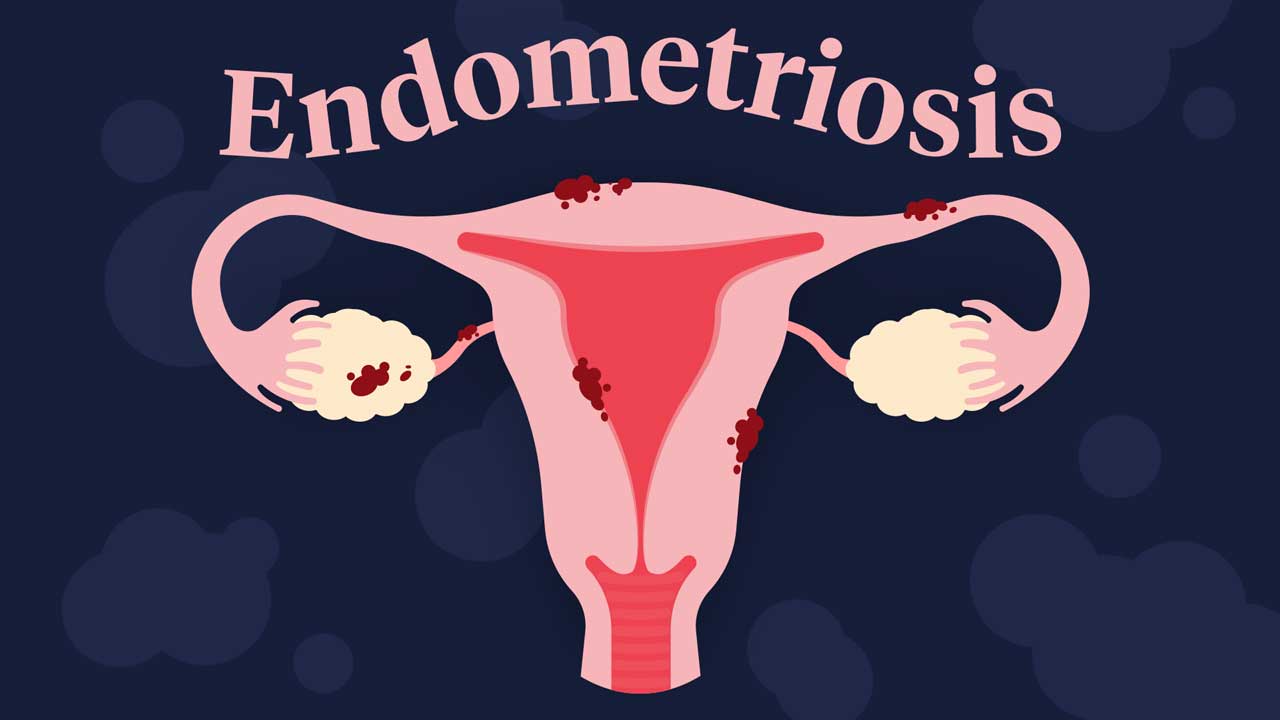
For many women, period pain is treated like an unavoidable part of life. Many hear that discomfort during a cycle is “normal,” and for some individuals, that may be true. But for women living with endometriosis, the pain goes beyond normal. Endometriosis is a chronic condition in which endometrial-like tissue, tissue similar to the lining of the uterus, grows in places it does not belong, such as the ovaries, fallopian tubes, or other parts of the pelvic area. Like the uterine lining, this tissue breaks down and bleeds with each menstrual cycle. However, because it has no way to exit the body, it can lead to inflammation, irritation, scarring, and the formation of adhesions, which are bands of fibrous tissue that can cause organs to stick together.
Even though endometriosis affects around one in ten women of reproductive age globally, it can still take nearly a decade to receive a diagnosis. This long delay isn’t always due to negligence. It’s because the symptoms are confusing and can easily get blamed on other health issues. Pain-related symptoms, such as painful periods, pelvic pain, back pain, and fatigue, often overlap with gastrointestinal symptoms like nausea, bloating, constipation, diarrhea, and other digestive issues that may fluctuate with the menstrual cycle. These symptoms are very easy to blame on stress, diet changes, or hormonal fluctuations. Many individuals are initially diagnosed with other conditions, such as irritable bowel syndrome or ovarian cysts, which can delay an endometriosis diagnosis even further since the symptoms overlap and can be difficult to distinguish.
These delays in diagnosis and treatment also impact far more than physical health. Many women are forced to miss school, work, or social events because their pain is dismissed or their symptoms are misunderstood. Mental health can be just as affected, with anxiety, depression, and feelings of isolation accompanying this condition. Not to mention, for women who want children, delaying diagnosis can affect fertility as well, since endometriosis can cause scarring or blockages in the reproductive organs. While early treatment may help reduce some risks, endometriosis can affect fertility at any stage of the condition.
Endometriosis has many treatment options, depending on how severe an individual’s symptoms are and if they want to have kids. Some people use NSAIDs or other pain-management medications to reduce discomfort, and hormone therapy can help by reducing or stopping periods and slowing down endometriosis tissue growth. There is also the option of surgery to remove this tissue, and it is usually done through a minimally invasive procedure called laparoscopic excision, which is widely considered the most effective surgical approach for long-term relief. Even though there isn’t a cure yet, these treatments can significantly improve pain and everyday life.
Fortunately, there are many things bringing awareness to this issue. Social media platforms like Instagram, TikTok, and Reddit are giving women an opportunity to share their stories, recognize symptoms, and encourage others to seek answers. There has also been an increase in awareness campaigns thanks to groups like Endometriosis UK and the Endometriosis Foundation of America. These campaigns emphasize that pain accompanying periods should never be ignored or dismissed as “normal,” especially by healthcare providers, who play a crucial role in early recognition and diagnosis.
Research is also improving as scientists explore non-invasive imaging techniques, such as advanced MRI methods and improved transvaginal ultrasound technology, which may reduce the need for surgery in the future. At the same time, other researchers are studying the genetic and hormonal factors involved in endometriosis to develop more targeted therapies. Finding and treating endometriosis earlier can make a big difference in day-to-day life and may help prevent serious complications, including chronic pelvic pain, infertility, and adhesion-related issues.
Understanding the difference between typical period pain and something more serious like endometriosis is incredibly important. The long wait for a diagnosis, the constant pain, and the frustration of having symptoms dismissed show how much improvement is needed within healthcare systems, including better physician training and reduced diagnostic bias. The good news is that awareness is growing, research is moving forward, and more resources are becoming available. Research is progressing, and more resources are becoming available for those affected by this condition. With better awareness and earlier recognition, future patients may face fewer delays and more clarity. Paying attention to symptoms, speaking up, and pushing for better education and healthcare support can make a real difference for anyone affected by endometriosis.
Copy editor: Yasmeen Kabaria
Photography source: https://www.ausmed.com/learn/articles/endometriosis