
The End of the Government Shutdown and the Affordable Care Act’s Limbo
Lydia Kim
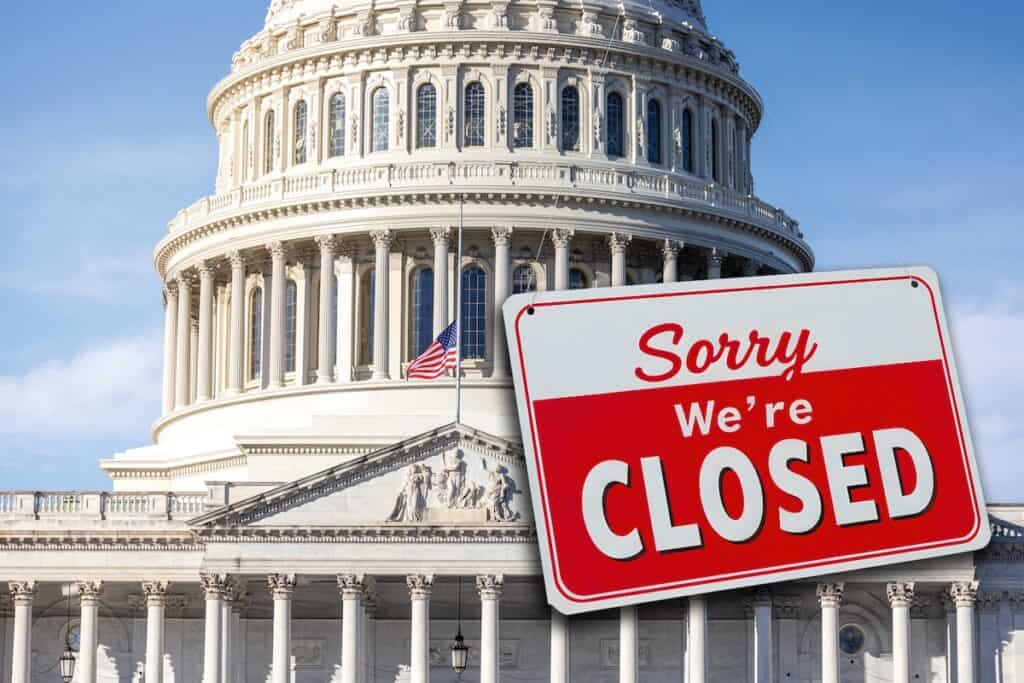
On November 12, 2025, President Donald Trump ended the longest government shutdown in United States history. It spanned a total of 43 days and the president commented “we can never let this happen again.” The passed spending bill allowed for federal workers to return to their workplaces and reopened SNAP benefits until September 2026. Although many can breathe a sigh of relief now, there is still a looming uncertainty of when government operations will fully return to normal or when Americans will receive their benefits or salaries.
What’s at stake
The pressing issue in congress has been healthcare subsidies. These subsidies, or tax credits, were a part of the original Affordable Care Act passed during the Obama administration and were designed to cover premium costs in health insurance plans. In 2021, President Biden passed the American Rescue Plan Act and aimed to make healthcare benefits more affordable and accessible to Americans during the COVID pandemic. These subsidies are set to expire at the end of the year and democrats are seeking to extend them.
Speaker of the House Mike Johnson stated that the subsidies were “just a boondoggle to insurance companies and robs the taxpayer” and many republicans are unsatisfied that these premium tax credits are given toinsurers rather than consumers. They argue that these subsidies could allow for the healthcare of undocumented immigrants to be covered as well.
The KFF, a nonpartisan health policy organization, states that premium payments in the ACA marketplace would more than double in the next year if these subsidies are not extended. These higher prices have the potential to squeeze out healthier individuals who may not need hospital visits as frequently and opt for a smaller premium. Insurance companies can take advantage of this situation and drive up premium prices on people who are more likely to need medical care.
Additionally, democrats are hoping to ensure ACA coverage for documented immigrants, which is threatened by the One Big Beautiful Bill Act passed by congress this year. They point out that the ACA benefits have never been distributed to undocumented immigrants. Ultimately, Democrats wanted to make these subsidies permanent and refused to sign the spending bill in the Republican controlled senate for the sake of negotiating.
The future of ACA
In the end, eight senate democrats and six house democrats sided with republicans and voted to end the shutdown. The passed bill only funds the government until January 30th and does not address the issue of ACA subsidies. Currently, Congress is hoping to vote on the issue in December, but there are no guarantees that they will be approved.
Speaker Mike Johnson says that Republicans will “demand a lot of reforms” and that it is necessary to “ go through that deliberative process.” Republicans do not have a definitive solution yet, but there have been suggestions to provide Americans with a pre-funded federal flexible spending account or to provide Americans with these subsidies directly. Justin Markowski, an assistant professor in the division of health policy and administration at the University of Illinois Chicago’s School of Public Health, warned ABC that the spending account would not be enough to replace health insurance. Many people also point out that if consumers were given subsidies directly, they would have to pay taxes with their purchase of insurance plans.
Other lawmakers are hoping to extend the subsidies for another year and provide enough time for a better plan. Another bipartisan house proposal aims to prolong the premium tax credits for two years while placing an income cap on assistance for individuals who make $200,000-$400,000 annually.
As of now, it is still too early to tell the fate of the ACA and what reforms will be made, and it is entirely possible that a government shutdown could happen again in January if lawmakers cannot come to an agreement. America has survived a drawn out battle with no victor. While the nation restarts and heals, representatives hope to negotiate and push through with a solution that will prevent a looming war with higher premium costs and uninsured Americans.
Copy editor: Lindsey McCrea
Photography source: https://www.naacpldf.org/case-issue/government-shutdown-faq/